
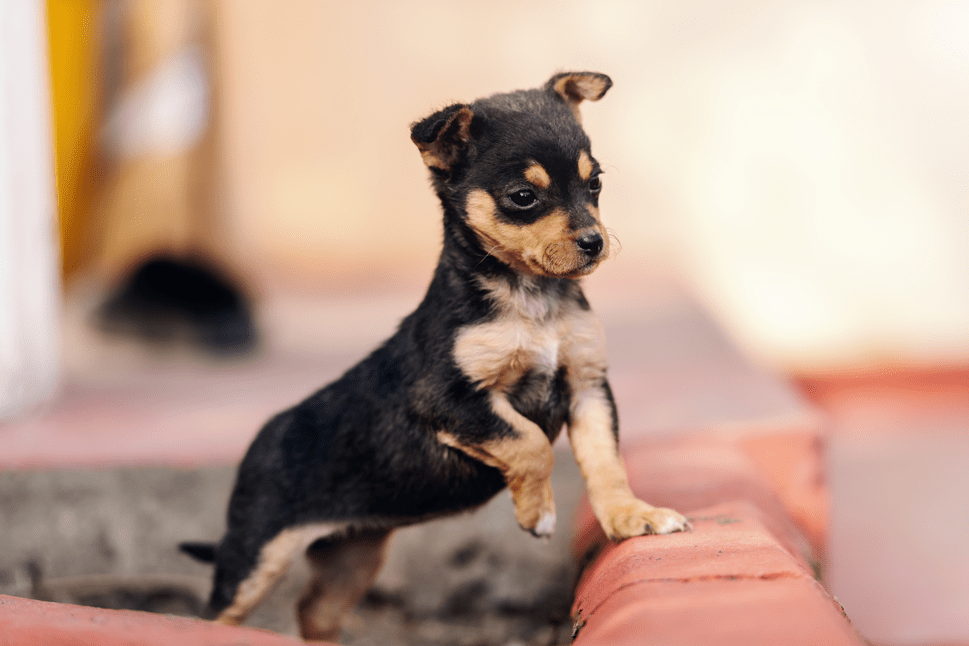
Are you considering adding a small dog to your family?
The world’s smallest dogs pack a lot of love, personality, and joy into their tiny frames. These petite pooches are perfect for those with limited living space, and they often form strong bonds with their owners.
In this blog, we’ll explore some of the world’s smallest dog breeds, their unique traits, and offer tips for owning a small dog. Whether you’re drawn to the lively Chihuahua or the elegant Pomeranian, this guide will help you find the perfect small dog for your family.
Small dogs have a unique appeal. Their compact size makes them ideal for apartment living, and their spirited personalities make them wonderful companions. This blog will introduce you to some of the world’s smallest dogs, provide insights into their characteristics, discuss common health issues, and offer practical tips for caring for these tiny canine friends.
Why Choose a Small Dog?
Small dogs bring numerous advantages to the table. Their size makes them easier to manage, especially in urban settings or homes with limited space. They are often more portable, making it easier to take them along on trips or outings. Additionally, small dogs typically have longer lifespans compared to larger breeds, allowing for many years of companionship.
I remember the first time I met my friend’s Chihuahua, Bella. She was so tiny, she fit in the palm of my hand, but her personality was anything but small. Bella’s confident and lively nature instantly won me over, demonstrating just how much character a small dog can have.
The World’s Smallest Dogs
Chihuahua
Chihuahuas are famously the smallest dog breed in the world, with some weighing as little as 2 pounds. Despite their small size, they have big personalities and are known for their loyalty and affection toward their owners. Chihuahuas are also highly adaptable and can thrive in various living environments.
Pomeranian
Pomeranians are small but sturdy dogs, usually weighing between 3 to 7 pounds. They are known for their fluffy coats and fox-like faces. Pomeranians are lively, intelligent, and make excellent companion animals. Their small size and playful nature make them perfect for families with children.
Yorkshire Terrier
Yorkshire Terriers, or Yorkies, typically weigh between 4 to 7 pounds. They are known for their silky, long coats and feisty personalities. Yorkies are courageous, affectionate, and highly trainable. They make great pets for those who want a small dog with a big heart.
Dachshund
While Dachshunds come in various sizes, the miniature variety usually weighs around 11 pounds or less. Known for their long bodies and short legs, Dachshunds are playful and curious. They make loyal companions and are great for families who enjoy an active lifestyle.
Maltese
Maltese dogs are small, weighing between 4 to 7 pounds. They are known for their long, flowing white coats and gentle demeanor. Maltese are affectionate, playful, and great with children. Their small size and friendly nature make them ideal for various living situations.
Papillon
Papillons are small dogs, usually weighing between 5 to 10 pounds. They are known for their large, butterfly-like ears and lively personalities. Papillons are intelligent, friendly, and highly trainable. They make excellent pets for families and individuals alike.
Pekingese
Pekingese dogs typically weigh between 8 to 14 pounds. They are known for their distinctive flat faces and regal appearance. Pekingese are loyal, affectionate, and great companions. Their small size and calm demeanor make them well-suited for apartment living.
Big Personalities in Small Packages
Small dogs often come with big personalities. Despite their size, these dogs can be confident, courageous, and full of energy. They are known for their loyalty and strong bonds with their owners. Many small dog breeds are also highly intelligent and trainable, making them excellent pets for those who enjoy teaching their dogs new tricks.
My neighbour’s Pomeranian, Spot, may be small, but he has the heart of a lion. He is always the first to greet visitors at the door with his spirited barks and playful demeanour. Spot’s energetic personality and affectionate nature make him a beloved member of the family.
Tips for Owning a Small Dog
Owning a small dog comes with its own set of challenges and responsibilities. Here are some tips to ensure your tiny companion is happy and healthy:
Their Own Space
While small dogs require less space than larger breeds, they still need a comfortable area to call their own. Ensure they have a cozy bed and enough room to play and explore.
Regular Exercise
Regular exercise is important for small dogs to keep them healthy and prevent obesity. Daily walks, playtime, and mental stimulation are essential.
Balanced Diet
Feeding your small dog a balanced diet is crucial for their overall health. Consult your veterinarian to determine the best diet plan for your dog’s specific needs.
Training Classes
Early training and socialization are key to ensuring your small dog is well-behaved and comfortable around people and other animals. Enroll in a training class if necessary and practice consistent, positive reinforcement techniques.
Regular Dog Grooming
Many small dog breeds have coats that require regular grooming. Brush your dog regularly to prevent mats and tangles, and bathe them as needed.
Health Issues in Small Dog Breeds
While small dogs often have longer lifespans, they can be prone to certain health issues. Here are some common concerns to be aware of:
Dental Problems
Small dogs are more prone to dental issues due to their tiny mouths. Regular dental care, including brushing and professional cleanings, is essential.
Patellar Luxation
Patellar luxation is a common condition in small dogs where the kneecap dislocates. Regular vet check-ups and maintaining a healthy weight can help manage this condition.
Hypoglycemia
Small dogs, especially puppies, can be prone to low blood sugar. Ensure they eat regular, balanced meals and monitor their energy levels.
A study published in the Journal of Small Animal Practice found that small breed dogs are more prone to dental disease than larger breeds. Regular dental care and check-ups are crucial to prevent serious health issues.
The world’s smallest dogs bring immense joy and companionship to any home. From the confident Chihuahua to the elegant Maltese, these tiny breeds are full of love and personality. By understanding their unique traits, potential health issues, and specific needs, you can ensure a happy and healthy life for your small dog.
Embrace the joy of owning a small dog, and you’ll find that their love and companionship are truly unparalleled. Whether you’re looking for a lively playmate or a gentle lap dog, there’s a small breed out there that will fit perfectly into your life. Welcome one of these tiny dogs into your home, and experience the unique bond that only a small dog can offer.

 Missy & Zeus
Leave a comment