
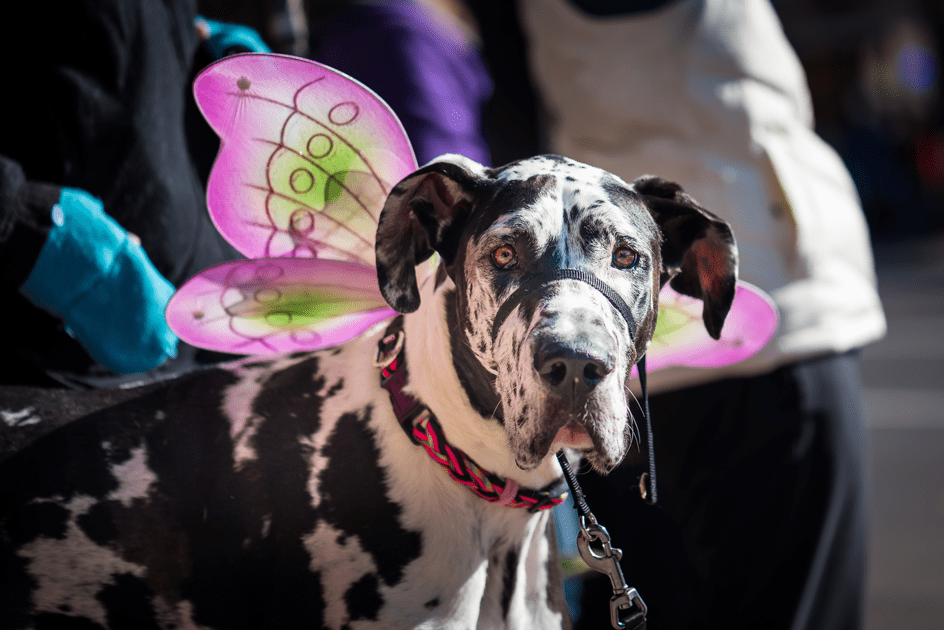
Are you looking for a large dog to join your family? If so, you’re not alone.
Many people are drawn to the world’s biggest dogs for their impressive size, gentle nature, and loyal companionship. In this blog, we’ll explore some of the largest dog breeds, their unique personalities, potential health issues, and what makes them such great additions to any home.
Whether you’re captivated by the majestic Great Dane or the powerful Saint Bernard, this guide will help you understand the joys and challenges of owning a large dog.
Large dog breeds have always captured the hearts of dog enthusiasts around the world. Their imposing size often belies a gentle, loving nature, making them excellent family pets. This blog will introduce you to some of the world’s biggest dogs, provide insights into their personalities, discuss common health issues, and offer tips for caring for these gentle giants.
Why Choose a Large Dog?
Large dogs bring a unique set of benefits to the table. Their size alone can be a deterrent to intruders, providing an added sense of security. Moreover, large dogs are often incredibly gentle and patient, making them great companions for children. Their calm demeanour and loyal nature also make them excellent therapy dogs.
My moms friend owns a Great Dane named Duke. Despite his intimidating size, Duke is the gentlest soul, patiently allowing my toddler to climb all over him. His calm, affectionate nature won me over instantly.
The World’s Biggest Dogs
Great Dane
The Great Dane, often referred to as the “Apollo of dogs,” is one of the tallest dog breeds. Males can stand up to 34 inches at the shoulder and weigh as much as 200 pounds. Despite their size, Great Danes are known for their gentle and friendly disposition. They are excellent with children and make loyal family pets.
Mastiff
Mastiffs are one of the heaviest dog breeds, with males weighing between 160 to 230 pounds. These dogs are known for their protective nature and calm temperament. Historically used as guard dogs, Mastiffs are incredibly loyal and form strong bonds with their families.
Saint Bernard
Saint Bernards are famous for their role in mountain rescue missions. These dogs can weigh between 140 to 180 pounds and are known for their gentle and patient nature. Saint Bernards are great with children and make excellent family pets, though they require plenty of space to roam.
Newfoundland
Newfoundlands are large, powerful dogs known for their swimming abilities. Males can weigh up to 150 pounds and are incredibly gentle and affectionate. They are excellent with children and make great family pets, though their thick, water-resistant coats require regular grooming.
Irish Wolfhound
The Irish Wolfhound is the tallest of all dog breeds, with males standing at least 32 inches at the shoulder. Despite their imposing size, Irish Wolfhounds are known for their gentle and friendly nature. They are excellent with children and make loyal, affectionate family pets.
Leonberger
Leonbergers are large, muscular dogs that can weigh up to 170 pounds. They are known for their friendly and playful nature, making them excellent companions for families with children. Leonbergers are also highly trainable and make great therapy dogs.
Great Pyrenees
The Great Pyrenees is a large, majestic breed known for its protective nature. Males can weigh up to 100 pounds and are excellent with children. Great Pyrenees are loyal and gentle, making them great family pets. They do require regular grooming due to their thick, weather-resistant coats.
Big Dog Personalities
Large dog breeds often have personalities as big as their physical presence. Many of these dogs are known for their gentle and patient nature, making them excellent companions for families. They are typically calm, affectionate, and loyal, forming strong bonds with their owners.
My friend Sam has a Saint Bernard named Bruce. Despite his size, Bruce is the most gentle and patient dog I have ever met. He is incredibly affectionate with the kids, allowing them to play with him without ever showing a hint of irritation.
Health Issues in Large Dog Breeds
While large dog breeds bring a lot of joy to their families, they can also come with certain health issues. Here are some common health concerns to be aware of:
Hip Dysplasia
Hip dysplasia is a common condition in large dog breeds where the hip joint doesn’t fit together properly, leading to arthritis and pain. Regular vet check-ups and maintaining a healthy weight can help manage this condition.
Bloat
Bloat, or gastric torsion, is a serious condition where the stomach fills with gas and twists. This can be life-threatening and requires immediate veterinary attention. Feeding your dog smaller, more frequent meals and avoiding vigorous exercise after eating can help prevent bloat.
Heart Issues
Large dog breeds are more prone to certain heart conditions, such as dilated cardiomyopathy. Regular veterinary check-ups and a healthy diet can help manage these conditions.
A study published in the Journal of Veterinary Internal Medicine found that large and giant breed dogs are more prone to heart disease compared to smaller breeds. Regular check-ups and early detection are crucial for managing these conditions effectively.
Tips for Owning a Large Dog
Owning a large dog comes with its own set of challenges and responsibilities. Here are some tips to ensure your big dog is happy and healthy:
Give Them Space
Large dogs require plenty of space to move around comfortably. Ensure you have enough room in your home and yard to accommodate their size.
Provide Regular Exercise
Regular exercise is crucial for large dog breeds to keep them healthy and prevent obesity. Daily walks, playtime, and mental stimulation are essential.
Feed A Healthy Diet
Feeding your large dog a balanced diet is important for their overall health. Consult your veterinarian to determine the best diet plan for your dog’s specific needs.
Early Dog Training
Early training and socialisation are key to ensuring your large dog is well-behaved and comfortable around people and other animals. Enroll in a training class if necessary and practice consistent, positive reinforcement techniques.
Regular Dog Grooming
Many large dog breeds have thick, weather-resistant coats that require regular grooming. Brush your dog regularly to prevent mats and tangles, and bathe them as needed.
The world’s biggest dogs bring a unique blend of majesty, loyalty, and affection to any home. From the gentle Great Dane to the protective Mastiff, these large breeds make wonderful family pets with the right care and attention. By understanding their personalities, potential health issues, and specific needs, you can ensure a happy and healthy life for your big dog.
Embrace the joy of owning a large dog, and you’ll find that their love and companionship are truly unparalleled. Whether you’re looking for a gentle giant to cuddle with or a loyal protector for your family, there’s a large dog breed out there that will fit perfectly into your life. Welcome one of these majestic dogs into your home, and experience the unique bond that only a big dog can offer.

 Missy & Zeus
Leave a comment