
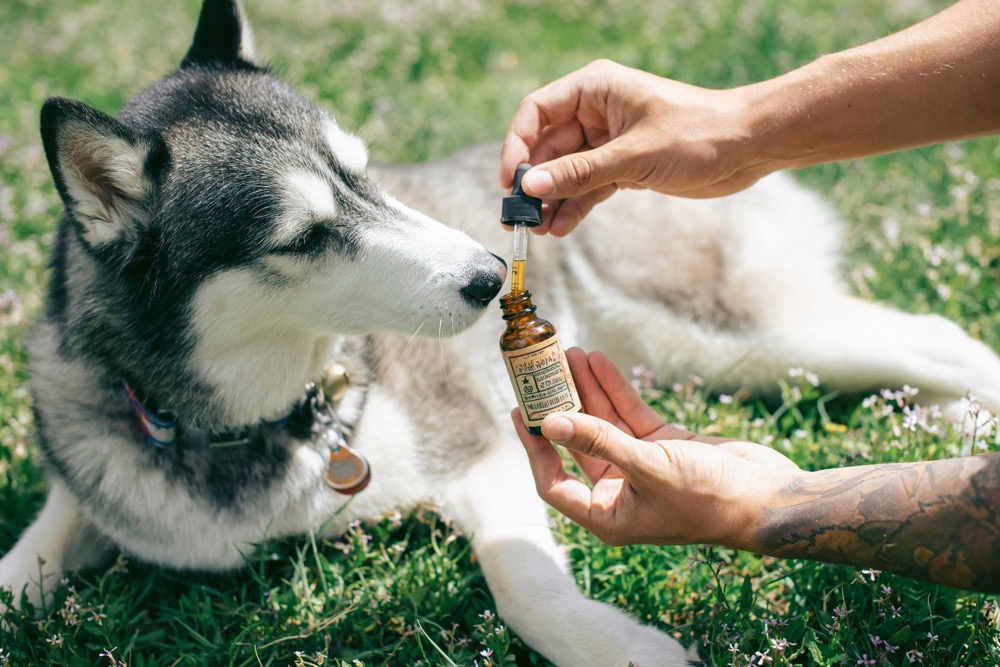
Keeping our pets cheerful, in good shape, and with the ability to move freely is a dog owner’s main concern. Joint problems can significantly impair a dog’s quality of life, particularly as they grow older. Although many dog breeds are genetically predisposed to joint-related conditions such as hip dysplasia, arthritis, and ligament injuries, there are a few measures that pet owners can take to provide quality care to their canines.
One of the most efficient ways you can do this is to be sure to use appropriate veterinary supplies and to know exactly when it is time to introduce joint supplements. Learning the risks that are particular to your breed is the most essential thing that you should know to be sure that your dog’s mobility is duly protected.
Large Breeds: Why Size Matters in Joint Health
Joint problems are most often observed in the body and joints of large and giant breed dogs like Labrador Retrievers, Golden Retrievers, German Shepherds, Great Danes, and Saint Bernards.

Their joints and tissues endure more stress due to their large body weight, especially in the hips and knees. Moreover, their growth rate is extremely high in the first stages of their life, and this can be a trigger for abnormal bone development if not kept under control properly.
Particular attention should be paid to these breeds, as these dogs are at a higher risk of suffering from diseases such as hip dysplasia, osteoarthritis, and cruciate ligament injuries. It is crucial to start the treatment at an early stage. The use of joint supplements, which consist of glucosamine, chondroitin, and MSM, is very good for the health of your dog’s cartilage and decreases the inflammation. Additionally, proper nutrition and ensuring that your puppy doesn’t engage in excessive exercise early on can help reduce stress on developing joints.
Small Dogs Aren’t Always Safe from Joint Issues
Although big dogs usually get all the attention for the care and treatment of their joints, smaller dog breeds, such as Dachshunds, Pomeranians, Chihuahuas, and Yorkshire Terriers, also suffer from this problem.

For instance, Dachshunds have a high chance of getting intervertebral disc disease (IVDD). For example, Dachshunds are highly prone to intervertebral disc disease (IVDD) due to their long spine and short legs. On the other hand, Chihuahuas and Yorkies can suffer from patellar luxation, a condition where the kneecap dislocates, leading to discomfort and difficulty supporting body weight.
In the given scenarios, maintaining a healthy range of motion and providing proper nutrition support for muscle health, provided that the dog isn’t subjected to excessive strain.
Also, particular attention to body weight and preventing jumping to high places are some of the ways owners can undertake to reduce the possibility of bone fractures. Therefore, early consultation with the vet for concerned pet owners is of utmost importance should they notice symptoms such as lameness, difficulty moving, or even an unwillingness to go up stairs in their pets.
Active and Working Breeds: Athleticism Can Come at a Cost
Border Collies, Belgian Malinois, Boxers, and Australian Shepherds are the most trusted dogs in the field or sports for their incredible energy, agility, and stamina. Although exercise is essential, even moderate, repetitive movements over time can negatively impact joint health in active breeds.
This is a place where a focus on targeted supplementation becomes significant. Recently, Omega-3 fatty acids, turmeric, green-lipped mussel extract, and collagen have been suggested as whole-body alternatives for lessening inflammation and initiating the healing process.
Suppose the supplements come from veterinary distributors with whom they are known to have the best quality, and are well-researched formulations. In that case, they are safe and reliable for long-term use.
In addition to supplements, regular rest, stairs with ramps, and giving joint-supporting orthopaedic bedding may also help decrease the wear and tear of the joints for pets.
Senior Dogs: Ageing and Joint Degeneration Go Hand-in-Hand
As dogs grow older, irrespective of their breed, the wear and tear of their joints progresses with time. Generally, it ends up with osteoarthritis, a disease that worsens gradually due to a disease that worsens over time due to inflammation, joint pain, and stiffness.

The initial development of the above-mentioned symptoms could come quite slowly, for example, it is possible that your dog has been suffering from being lethargic when getting up from the floor, less willing to play, or unpleasant when being taken out for a walk.
Choosing the right supplements plays a big part in their prevention. The earlier that they are administered, the better they work before the joint disease is advanced. Those supplements that are composed of glucosamine, hyaluronic acid, and antioxidants are among the best options to maintain joint lubrication and support tissue repair.
Combining the medication regimen with anti-inflammatory agents, with caution from the vet, will most often result in living life with more ease and greater mobility for most of the older dogs.
Look for specialised pet stores or suppliers that focus on senior pet care. Their goods are usually specially tailored for such situations that come with age. The recipes used to make products are at times modified, to make them more digestible, and also to be delivered in a form that is chewable or liquid and making them easier to consume for senior dogs with dental issues.
How Do Joint Supplements Work in Dogs?

Joint supplements don’t just provide temporary relief, but they create a long-term effect by delaying joint degeneration and preserving healthy cartilage. Most formulas are a combination of the following key ingredients:
- Glucosamine: A natural compound that not only supports cartilage regeneration but also replenishes joint fluid.
- Chondroitin: Works alongside glucosamine to inhibit enzymes that break down cartilage, preserving joint structure.
- MSM (Methylsulfonylmethane): A natural compound known to reduce inflammation and relieve joint discomfort.
- Omega-3 fatty acids: Well-established for their cell-level inflammation-reduction function.
- Turmeric and Curcumin: Essential ingredients that have an anti-inflammatory and antioxidative action.
- Green-Lipped Mussel: Rich in glycosaminoglycans and omega-3 fatty acids.
While results aren’t immediate, consistent use typically leads to long-lasting improvement. Most dogs generally need 4–6 weeks of the product to see significant results. Moreover, a balanced diet, gentle exercise, and regular check-ups at the vets are essential in this case.
How to Choose the Right Joint Supplement for Your Dog
- See if it is backed by clinical studies: Always choose brands that provide proof from science or clinical trials.
- Keep in mind the weight and breed of your dog: The amount of the dosage varies greatly from one weight to another.
- Choose the best type: Chews, powders, and liquids have advantages, and it is your dog’s preference that matters the most.
- Buy from sources you trust: It is always a good idea to go through a reliable veterinary distributor or a pharmacy. This will make sure that the product is pure, correctly labelled, and does work.
Warning Signs That Your Dog May Have Joint Problems
Many dog owners experience the problem of mobility – the dogs themselves can feel the discomfort, but it is not always so clear. The early signs are often vague and non-distinct. Therefore, pet parents should be attentive to the behaviour of their animals. This is a list of things to look out for:
- Limping or favouring one leg
- Trouble rising from a lying position
- Hesitation to jump or climb stairs
- Stiffness after resting
- Decreased interest in walks or play
- Whining or vocalisation during movement
In case your pet starts to manifest any of the mentioned signs, immediately have a consultation with a vet. Early identification and treatment are essential for stopping the progression of further joint injury and starting the preventive dietary supplementation.
Whether you own a young Lab, an aged Dachshund, or an active Border Collie, taking care of your pet’s joints is a crucial part of being a good pet parent. Learning about breed specifics, being watchful of signs of torment early, and applying strategies that help the joints, like supplements of high quality, for instance, will be more likely to ensure that your animal companion will live longer and be mobile and healthy at the same time.
When you are unsure, always talk about the joint health of your dog with a veterinarian (DVM, Doctor of Veterinary Medicine) you trust. Their advice will help you find the right supplements, the best activities, and the most effective preventive care that your pet needs. Today, by putting money into your dog’s joint health, you’re ensuring a happier, more active life for your dog in the years to come.
Author Profile
This post was written by Emily Johnssons, a veterinary student at HCI College with a passion for pet health. “I love creating helpful content for pet parents to raise awareness and promote better care for their furry companions.”



 Missy & Zeus
Leave a comment